Noye’s Fludde
by Benjamin Britten
Barnes Music Festival | March 2026
Director – Oscar Simms
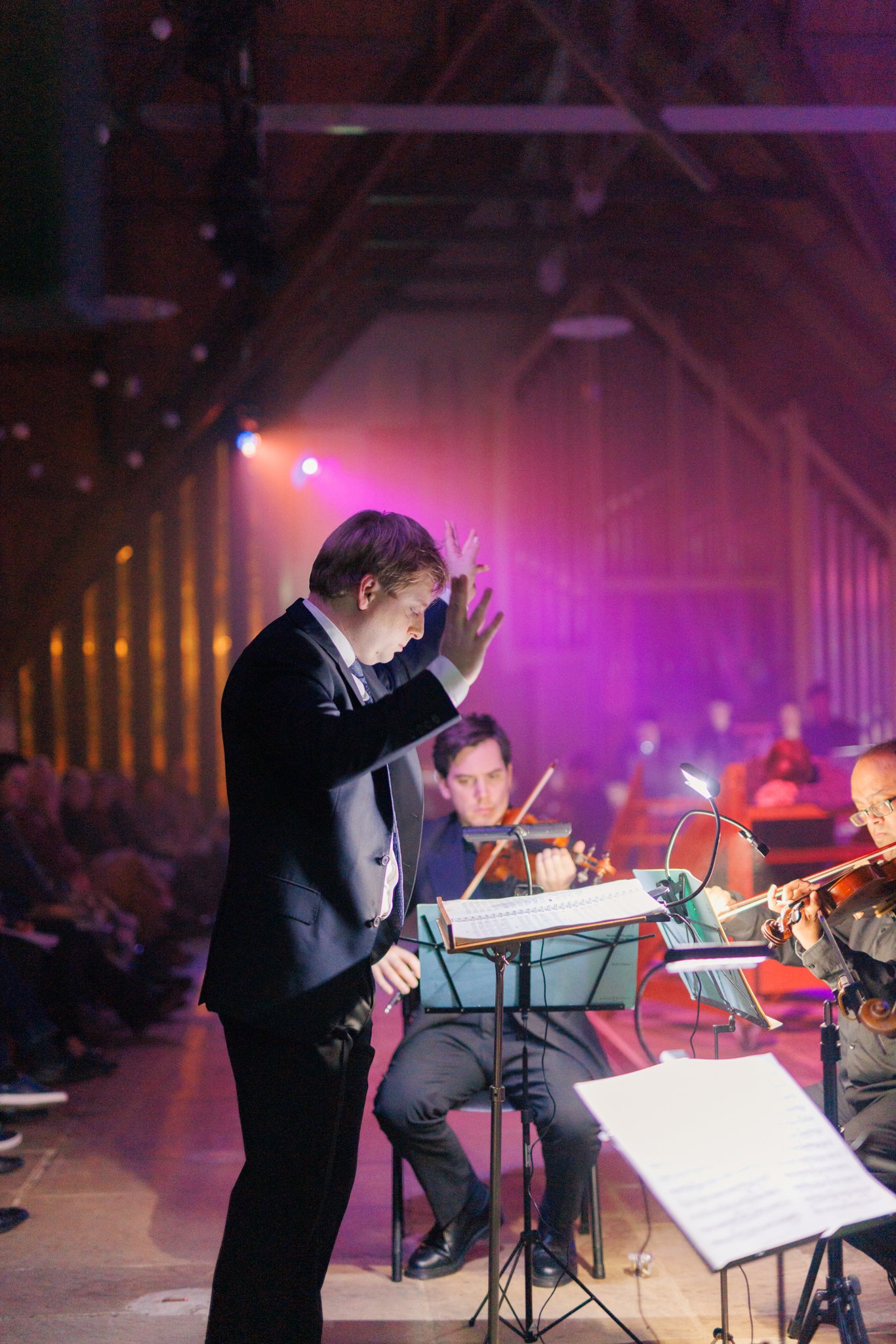
Conductor – James Day
Design – Lucy Ruff
Lighting – Jonny Danciger
Assistant Director – Emily Beech
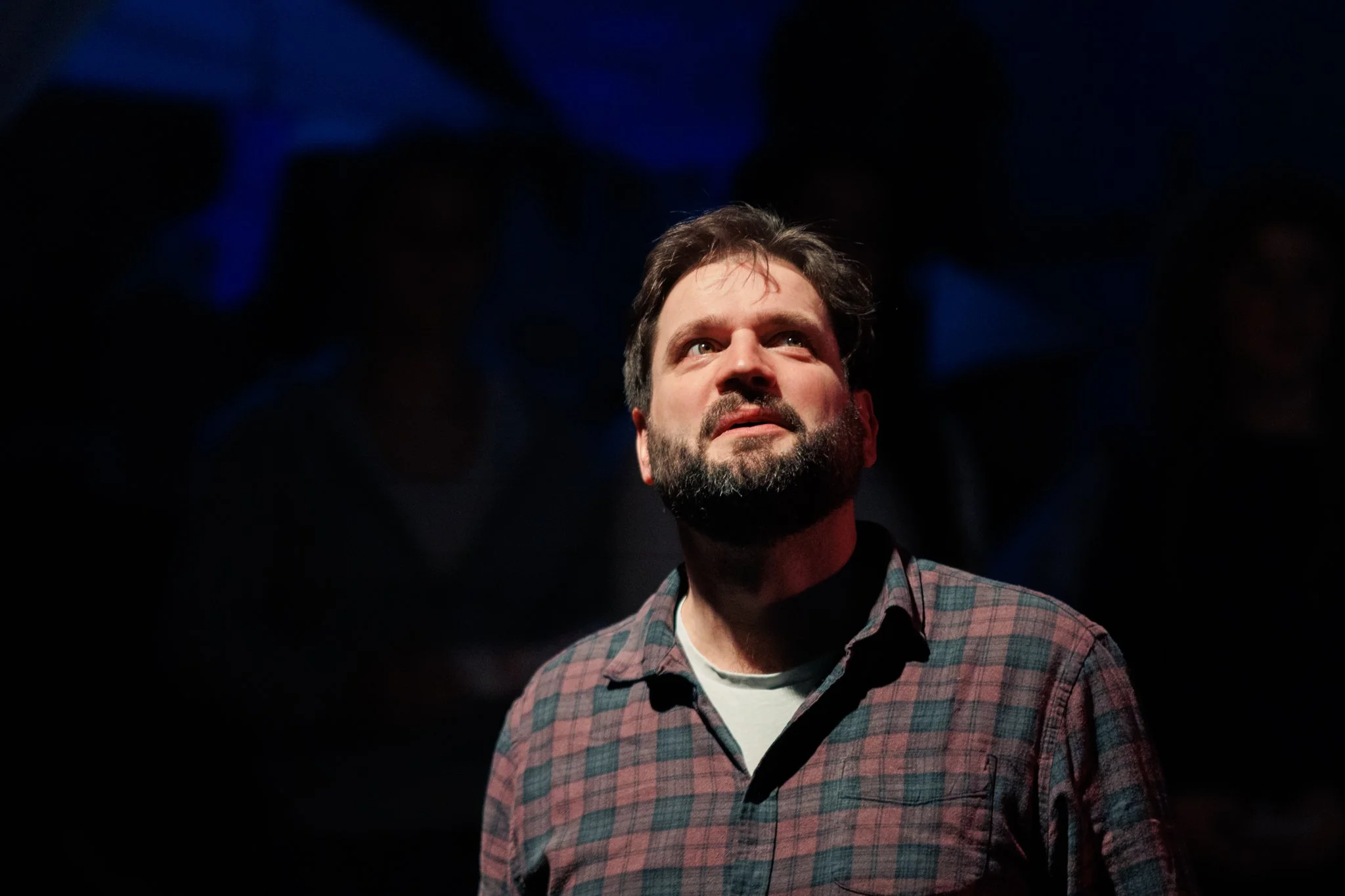
Noye – Gareth Brynmor John
Mrs Noye – Victoria Simmonds
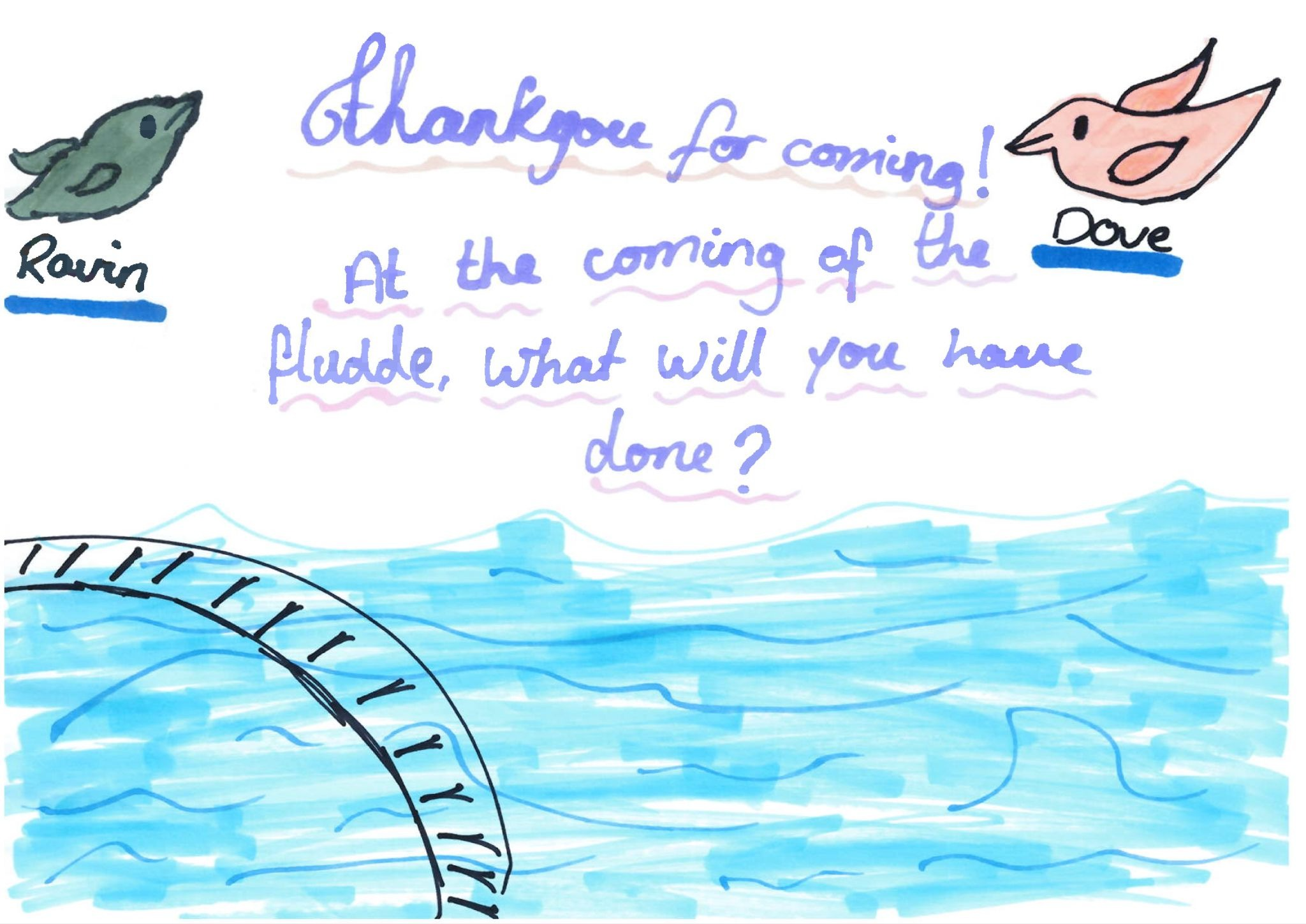
Programme Note
Seven hundred years ago, when church services were conducted in Latin, the monks at the Abbey of St Werburgh (now Chester Cathedral) enacted stories from the Bible to help those who couldn’t otherwise follow or understand. Eventually these ‘Miracle Plays’ proved too rowdy, disrupting worship and were moved outside of the church to be adopted by ordinary people of the Chester Guilds. The Guilds performed these plays in the open streets and market places, using pageant carts (“waggons”) to transport simple scenic devices.
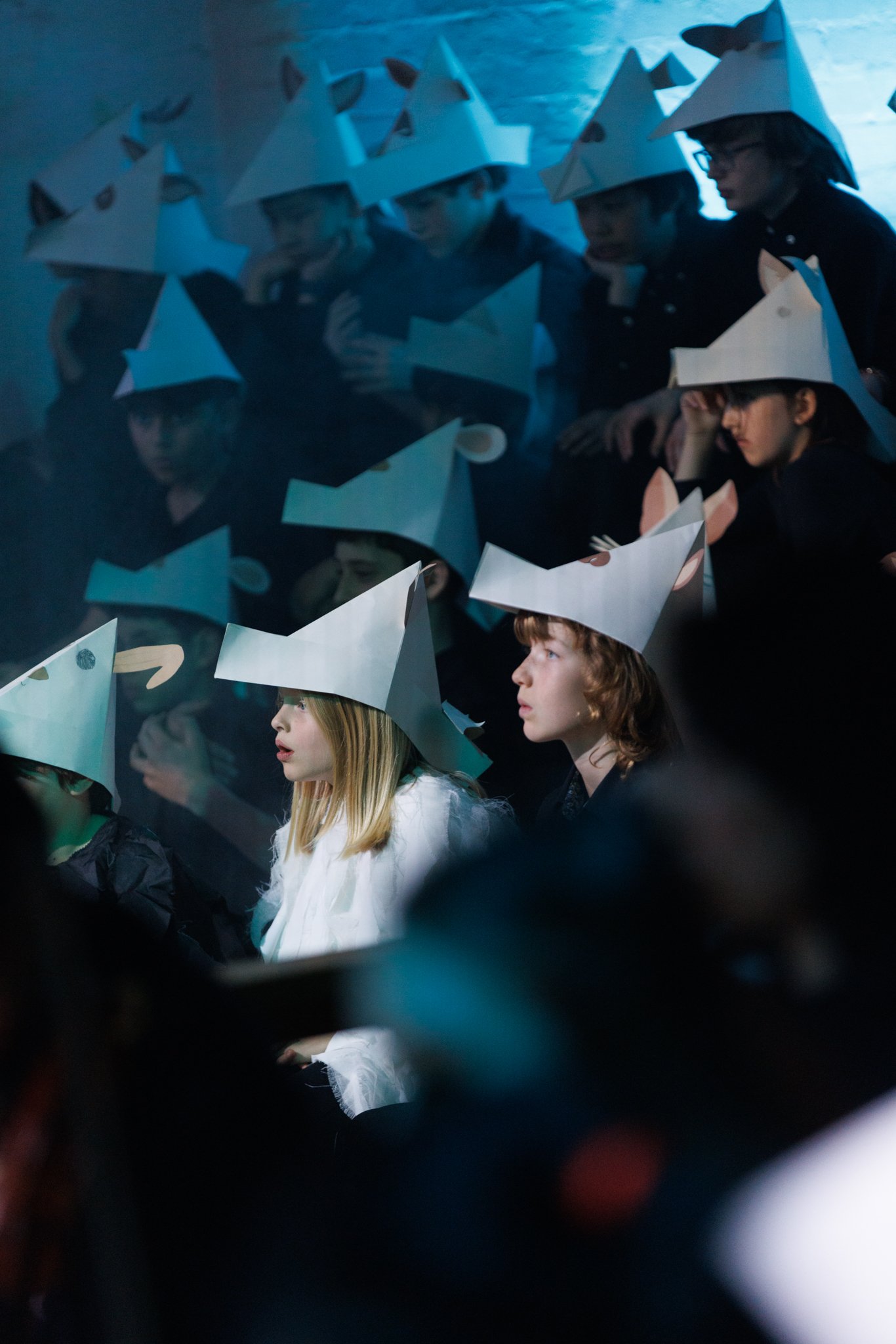
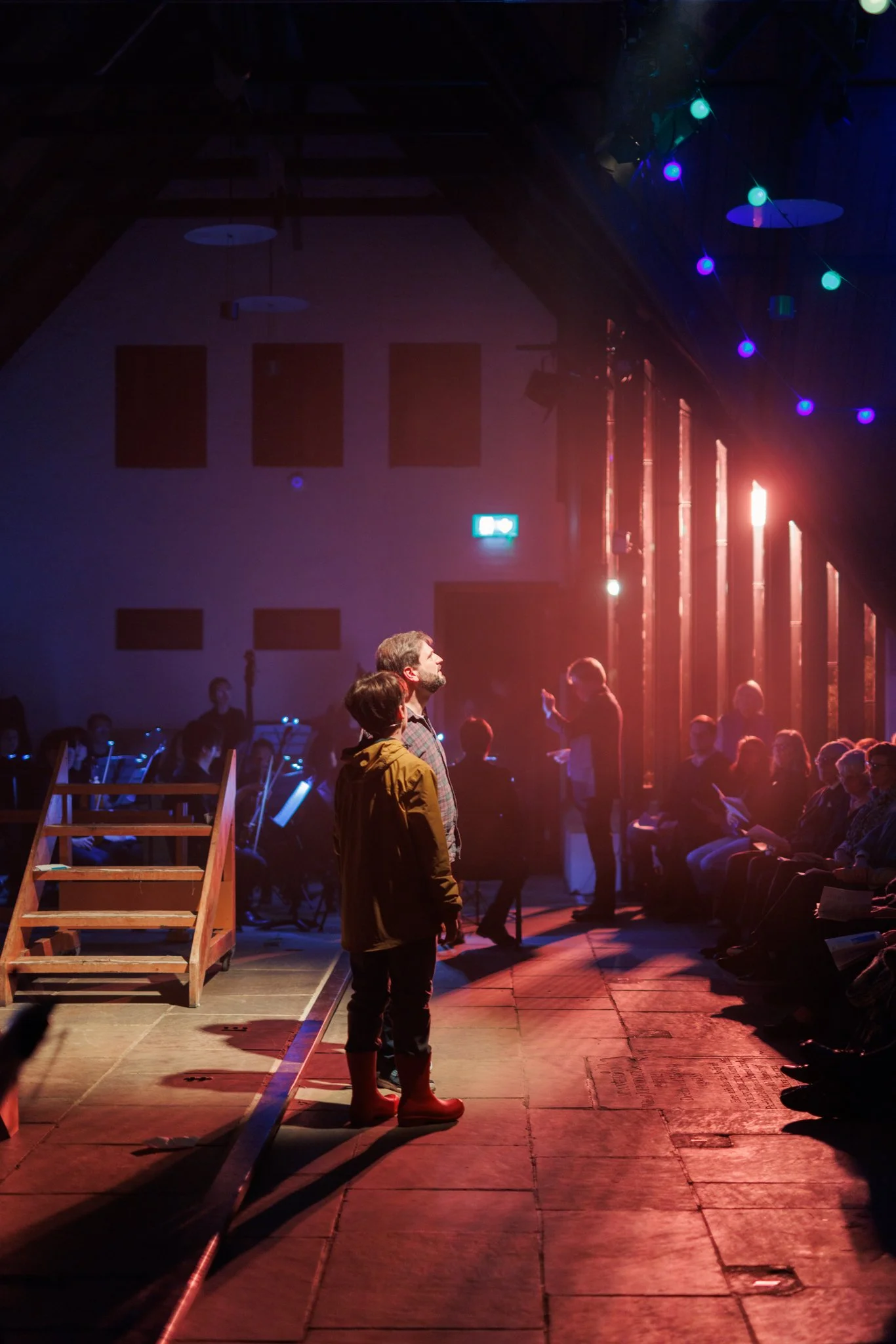
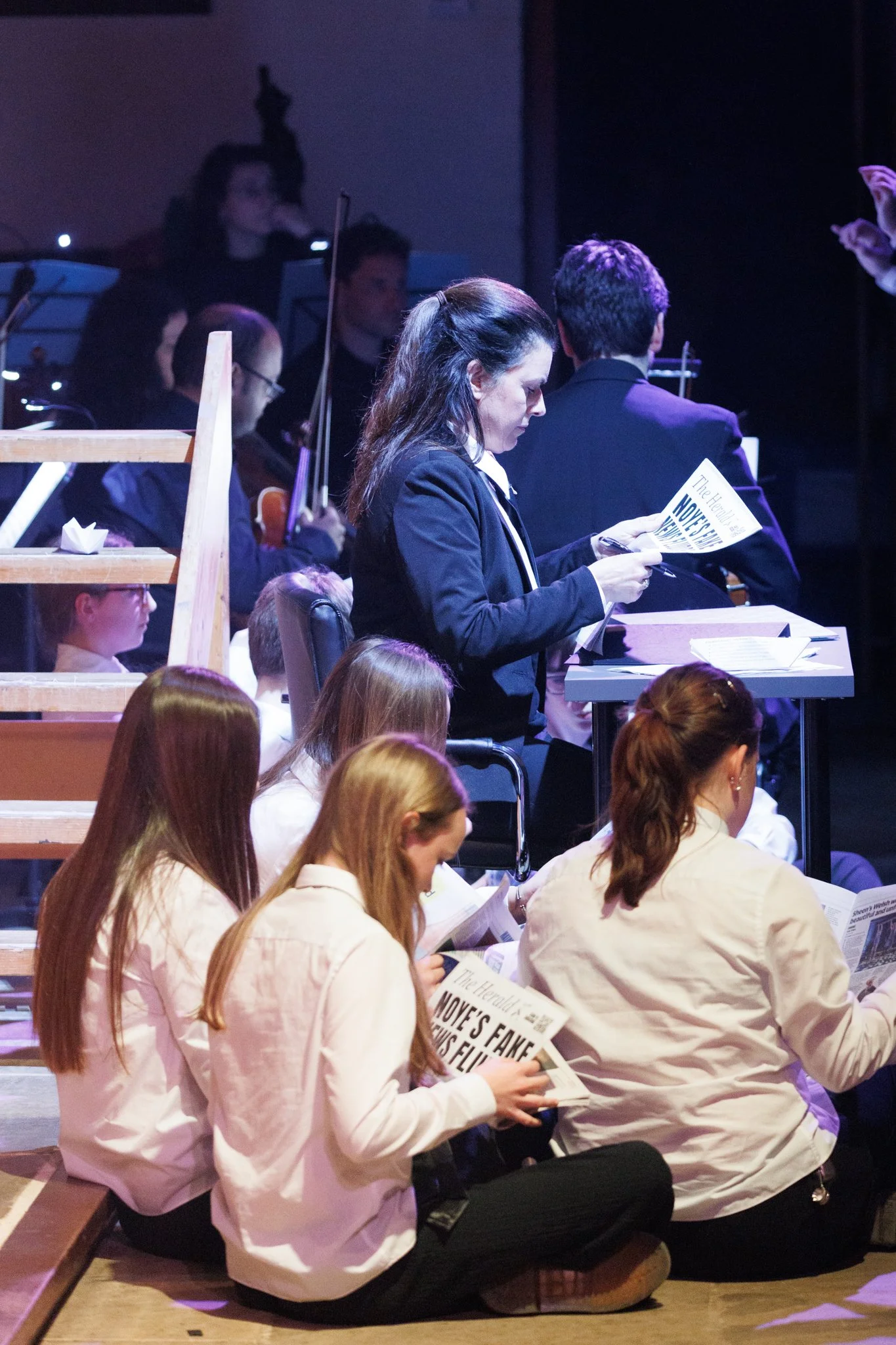
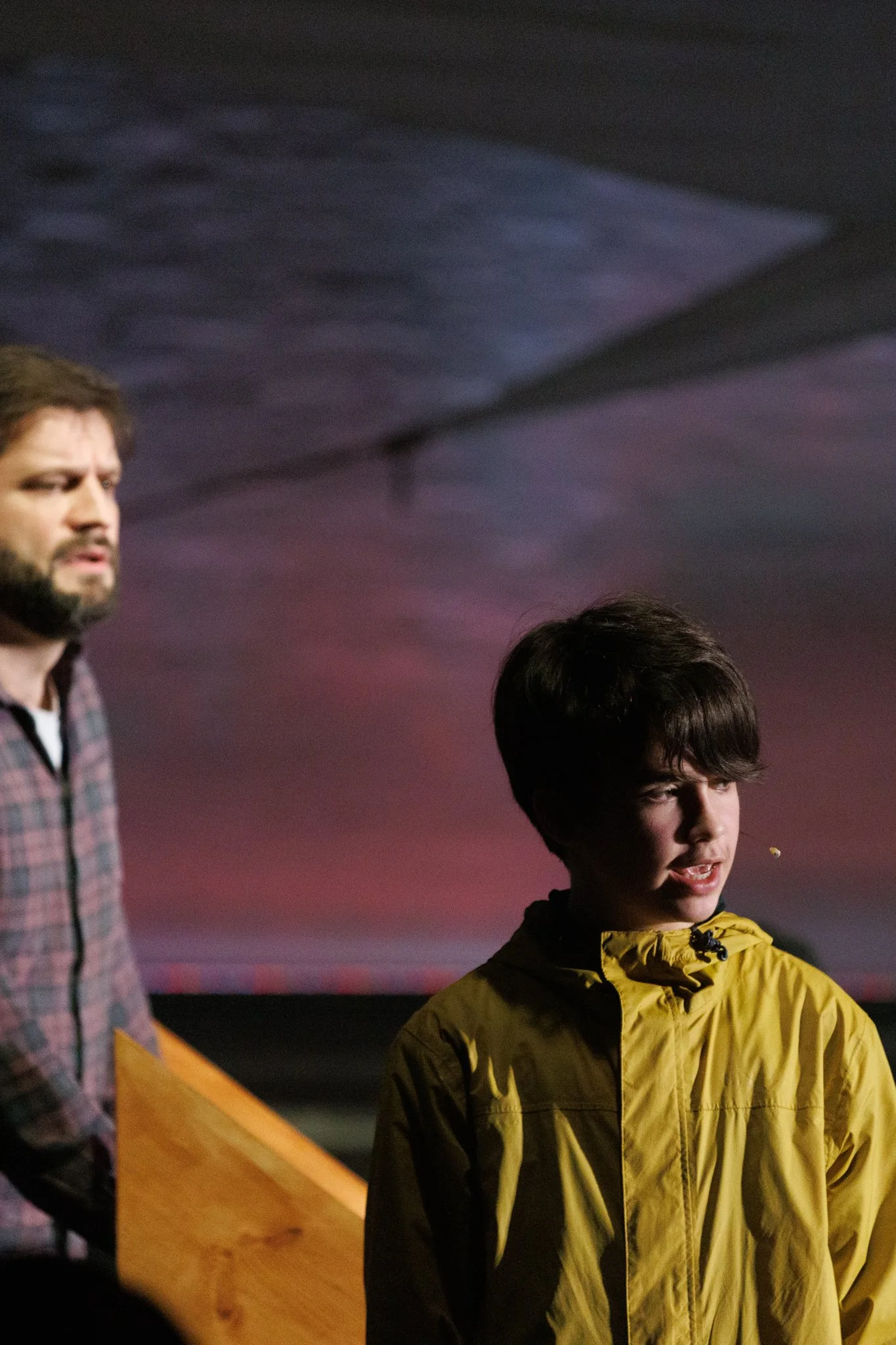
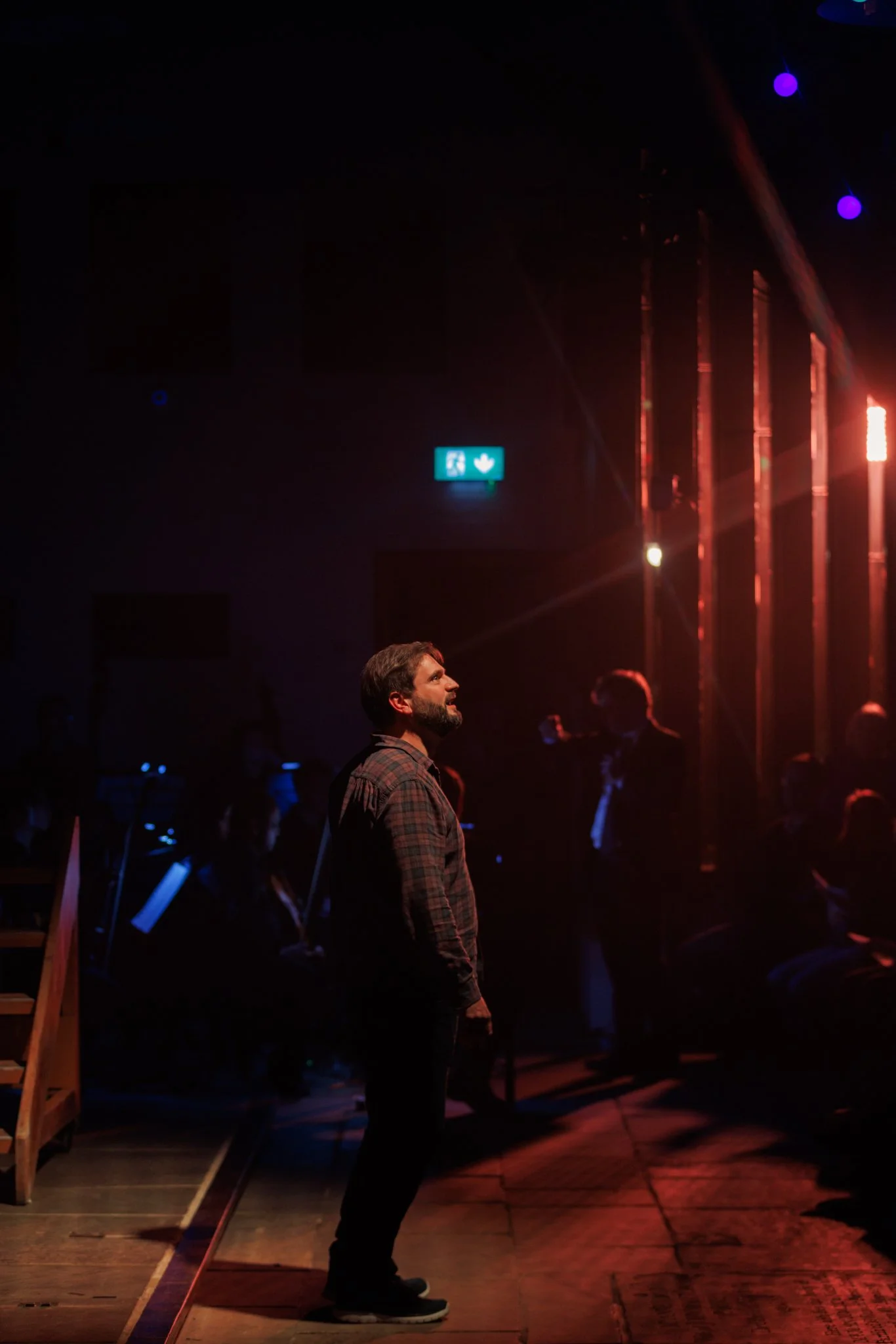
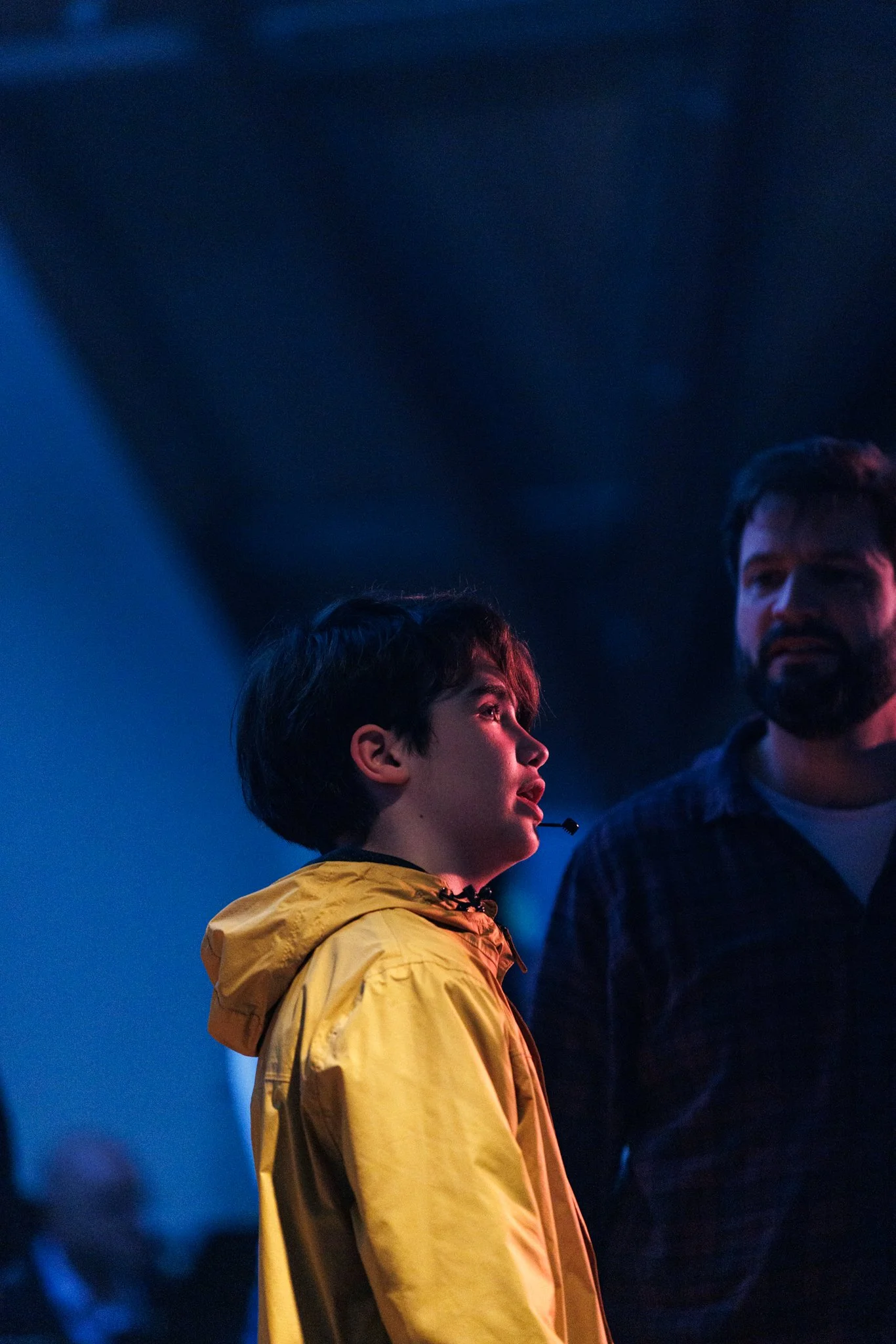
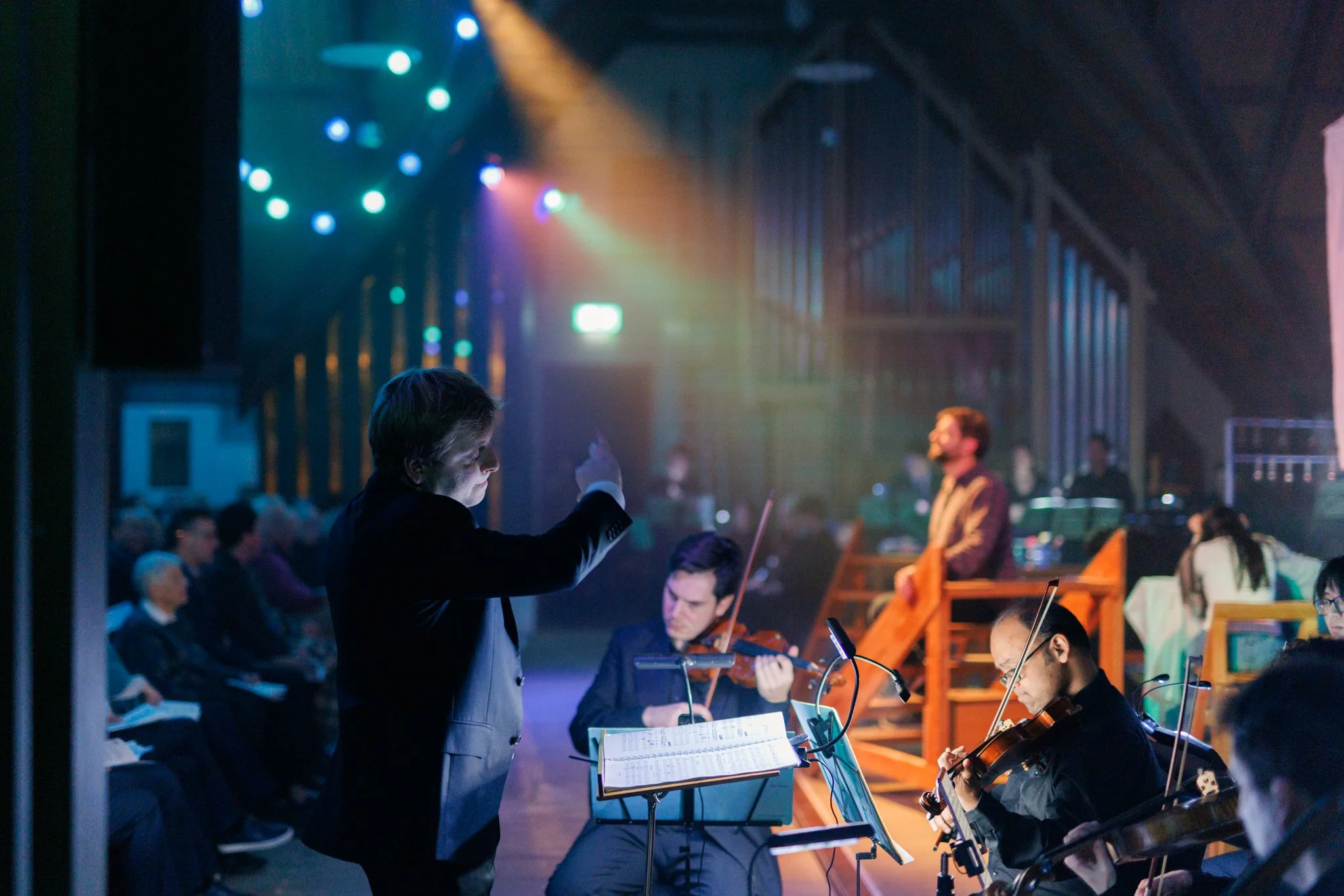
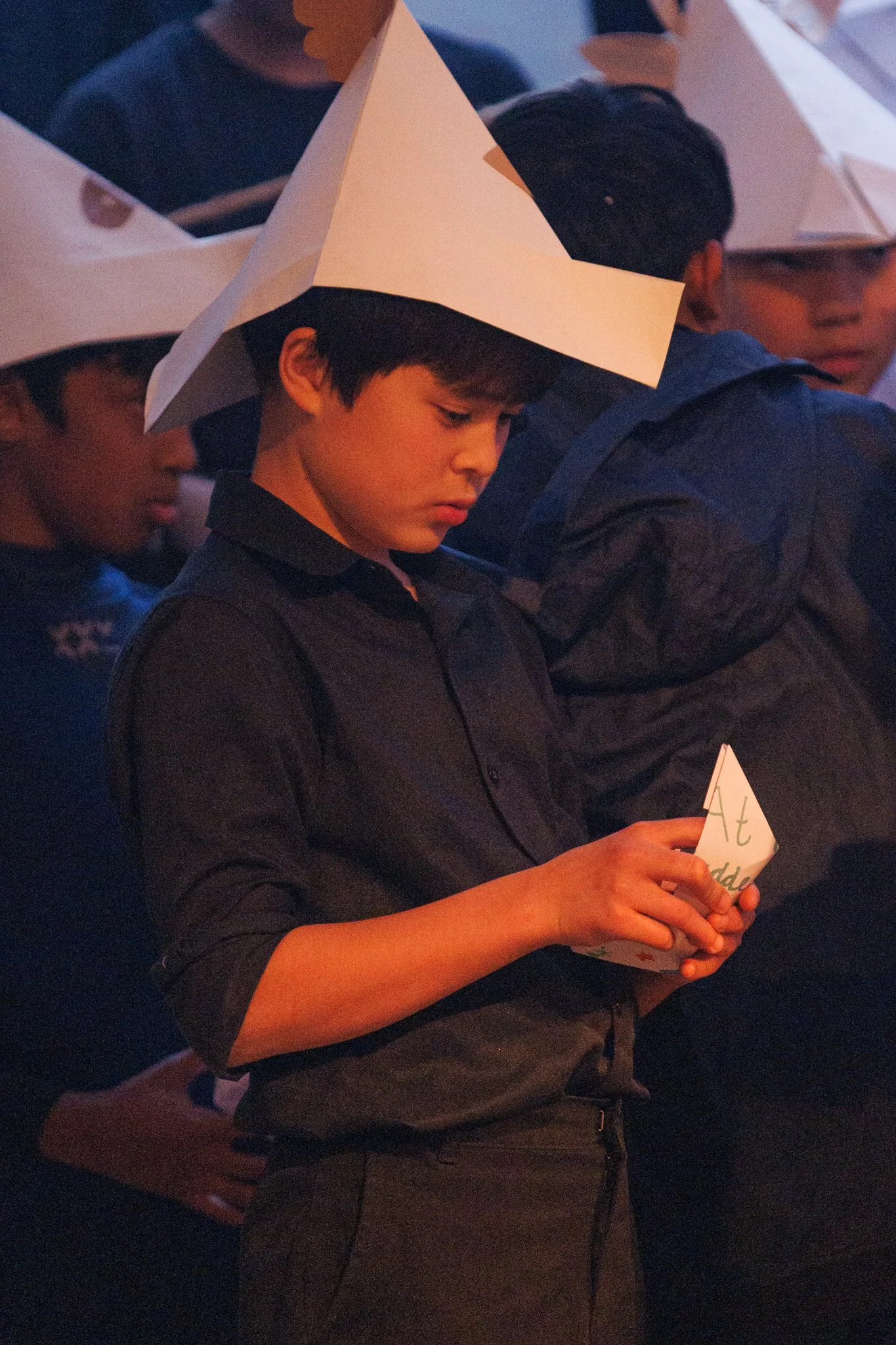
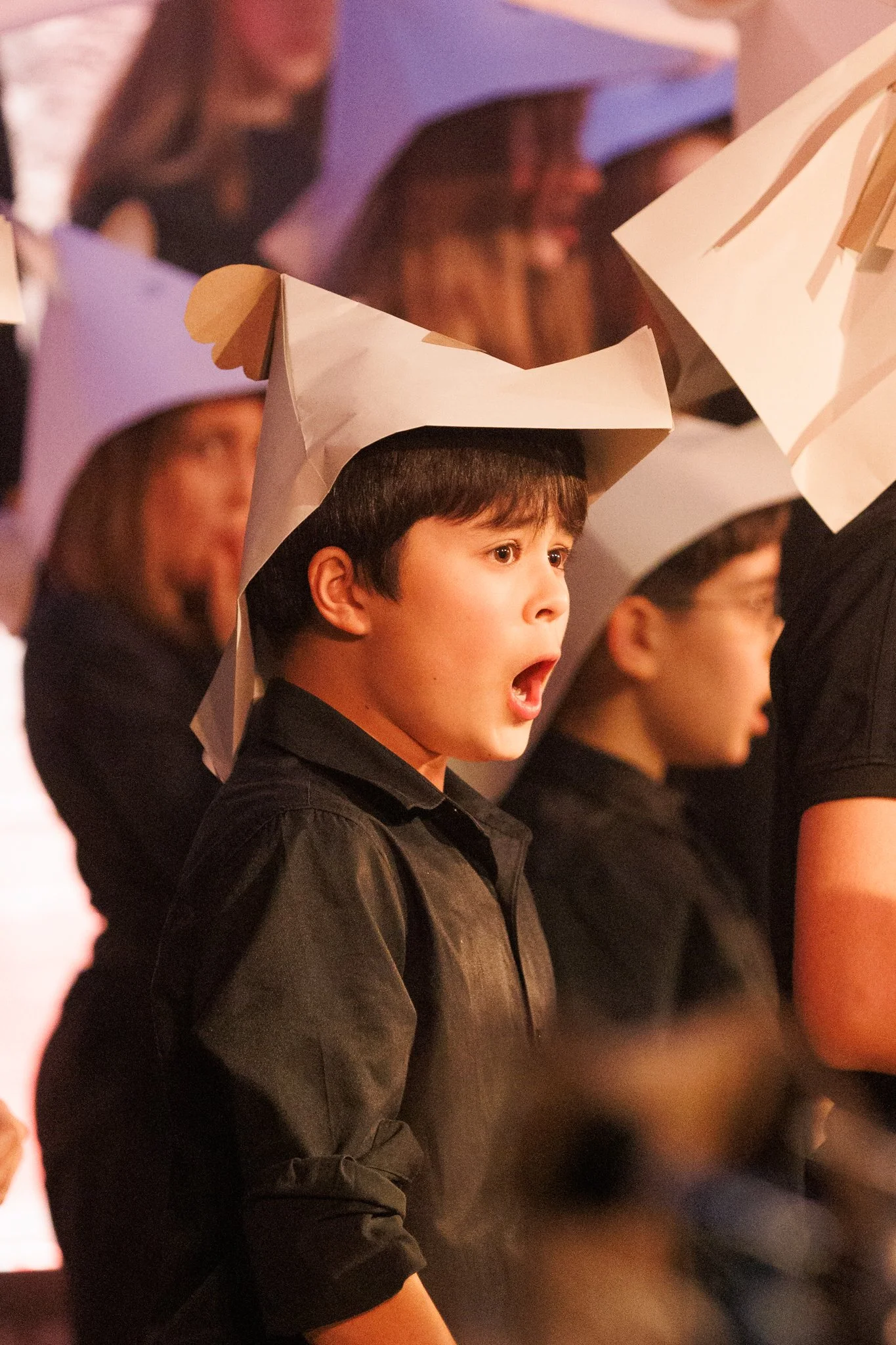
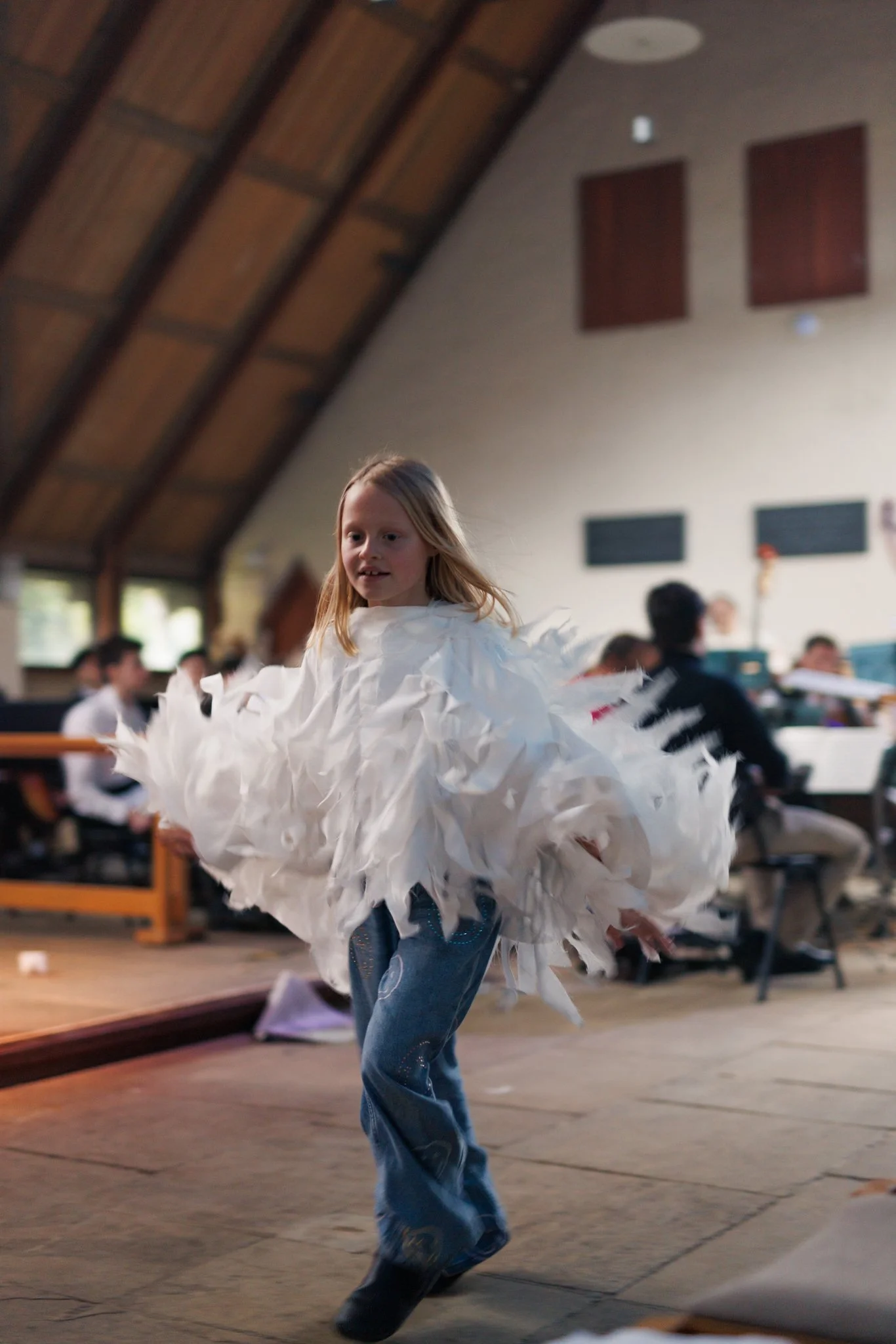
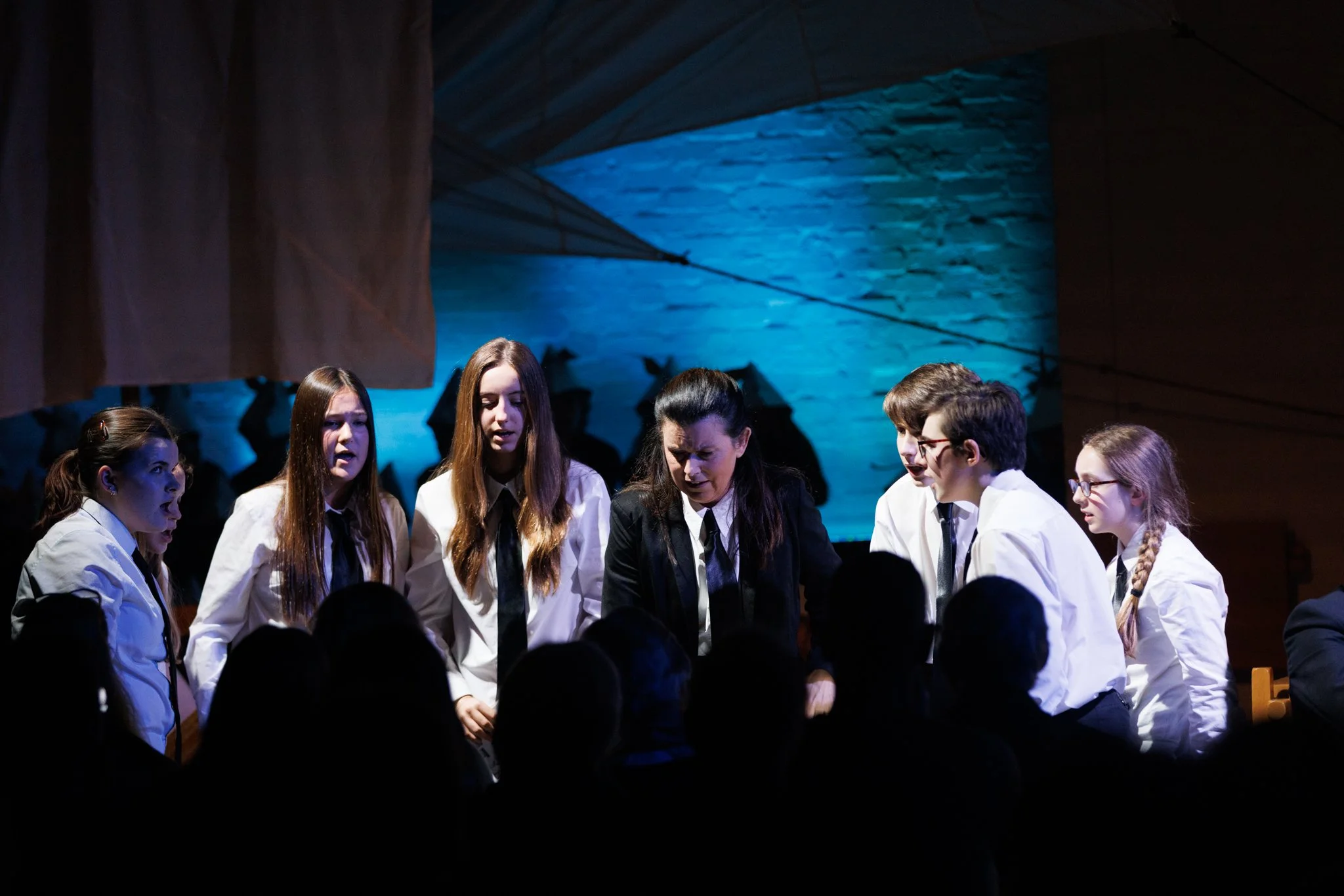
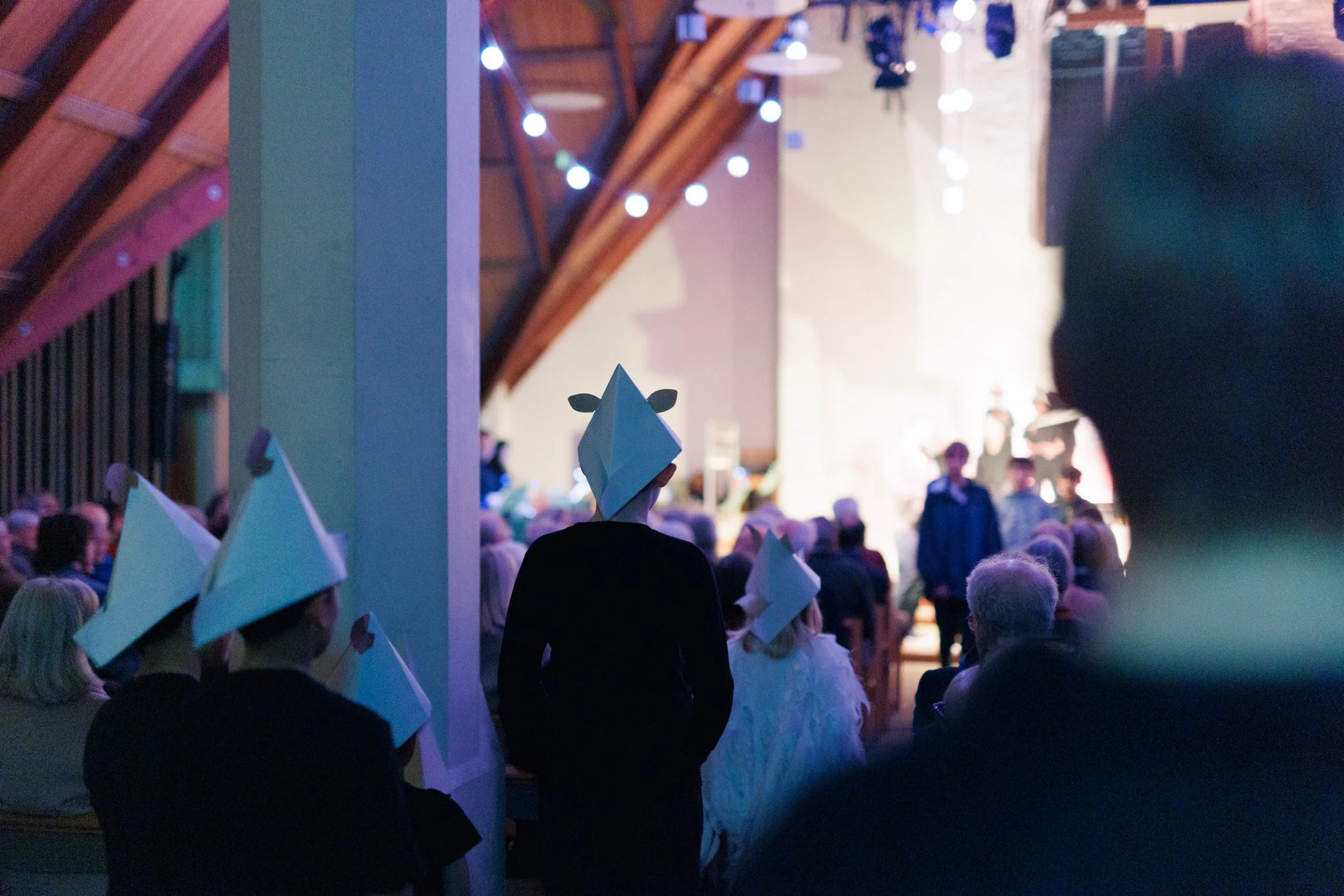
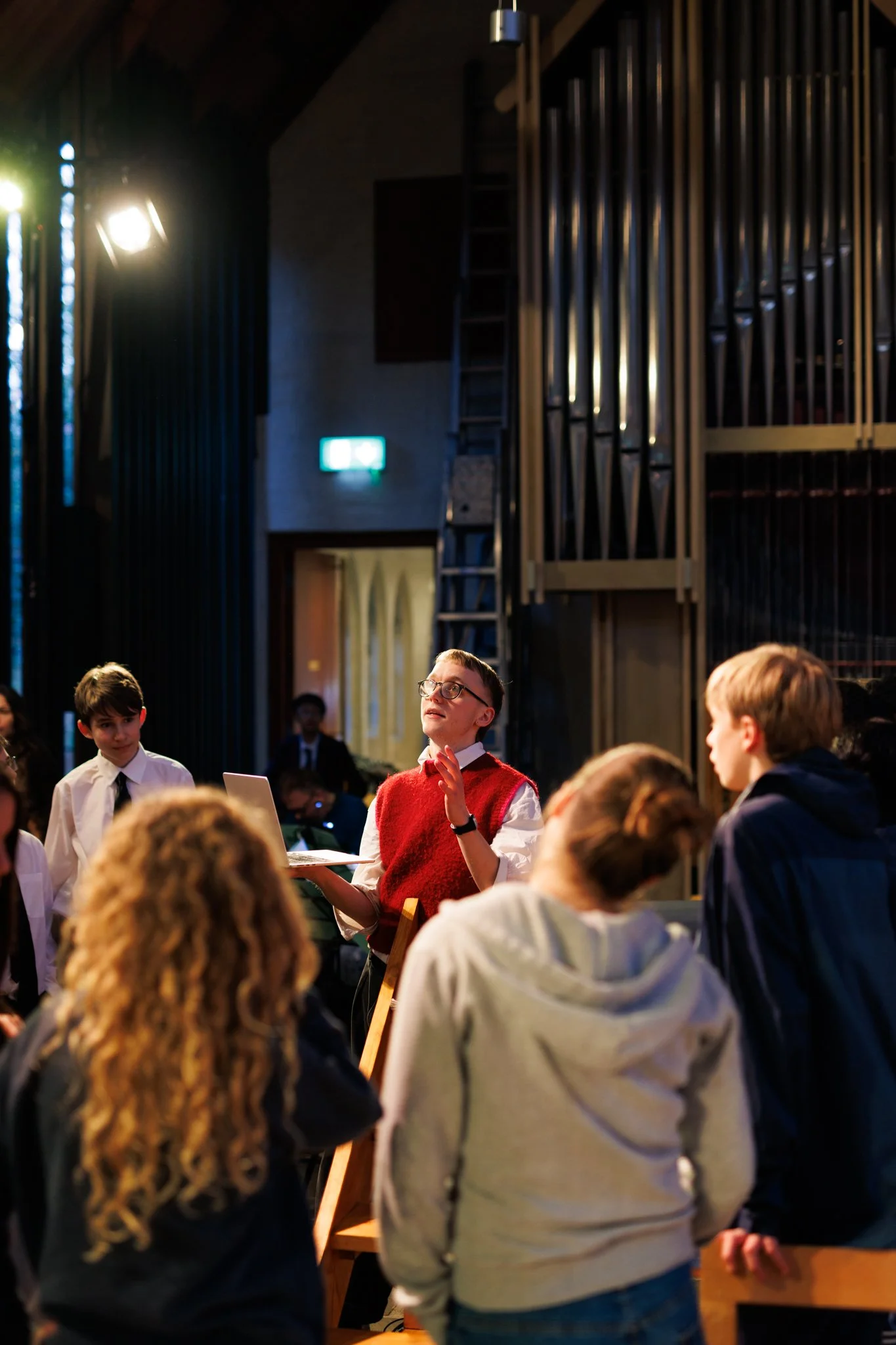
Inspired by these traditions of participatory, democratic storytelling, Benjamin Britten wrote Noye’s Fludde to text from the medieval Chester Miracle Plays. In an introductory note, Britten states that the piece should be performed in “some big building, preferably a church – but not a theatre, with the action raised on rostra, but not on a stage removed from the congregation”. Children from the local community, aged six to eighteen, take on characters from the story, principally the animals that Noye (Noah) brings onto his boat, with an orchestra also combining professionals and volunteers. Through congregational hymns, the audience also participates actively in the telling of the story.
It's a piece that invites a community to gather in a local space to reflect on an age-old story, that of Noah and a Great Flood. A story that’s been told by communities for thousands of years, stretching back to Mesoptamian civilisations living between the Tigris and Euphrates rivers.
But what might it mean to this community at this time? In the twenty-first century, the warning of immense, impending natural disaster is all too familiar. The threat of climate change provides an inevitable context for the telling of this story in today’s world. But by making children central in the telling of this story, Britten invites us to think of the piece as a conversation between generations, a tale told largely by children to a group of mostly adults.
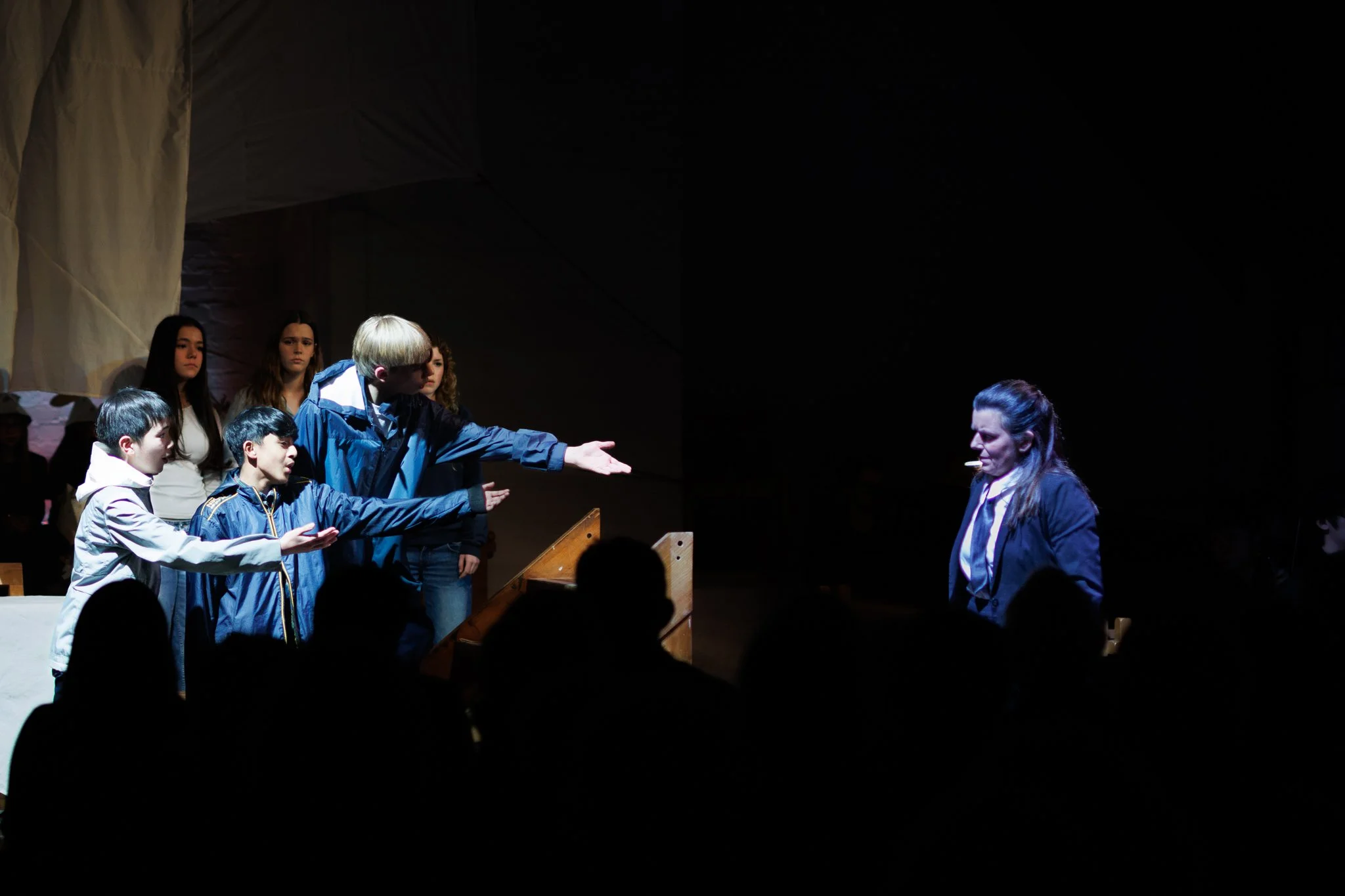
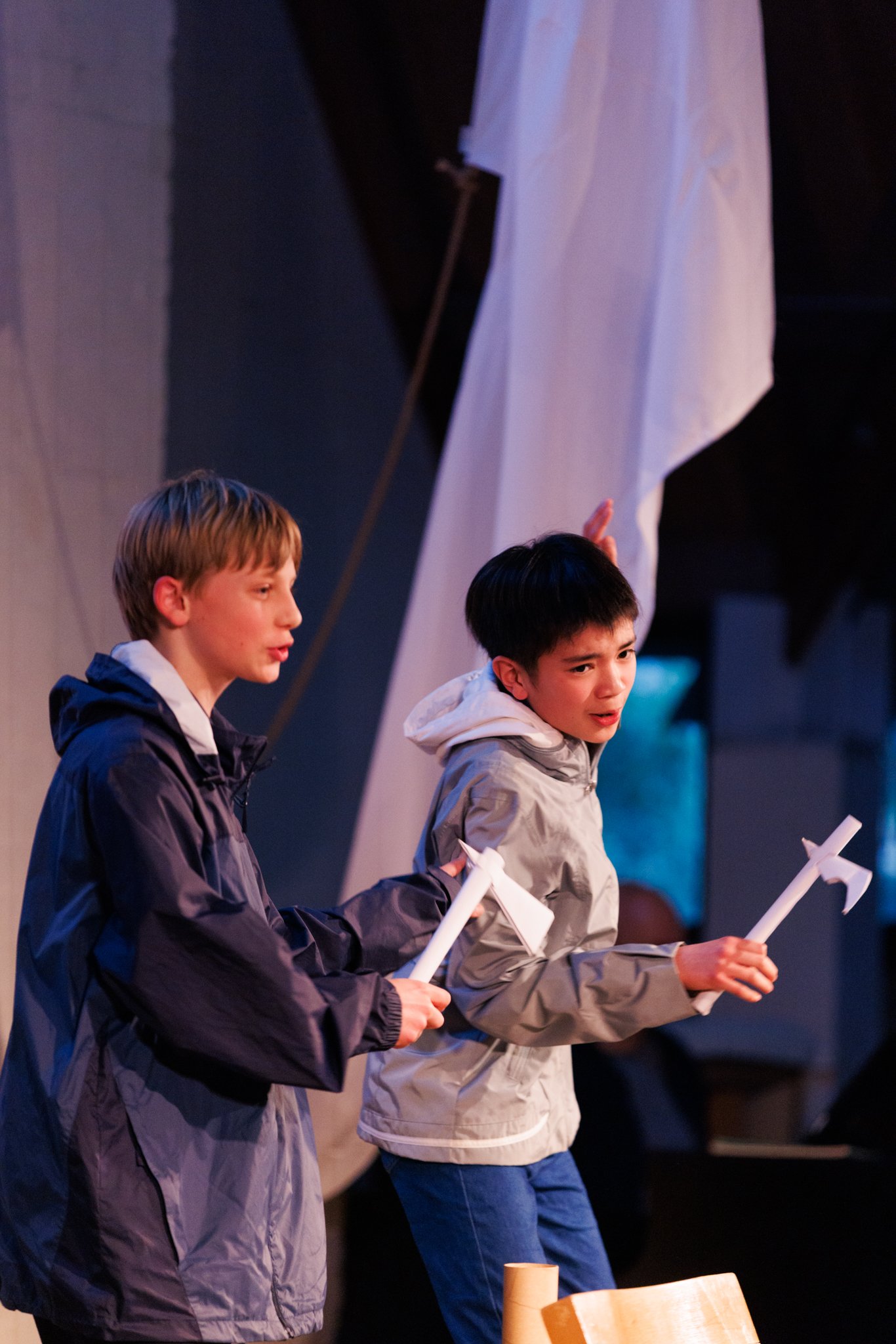
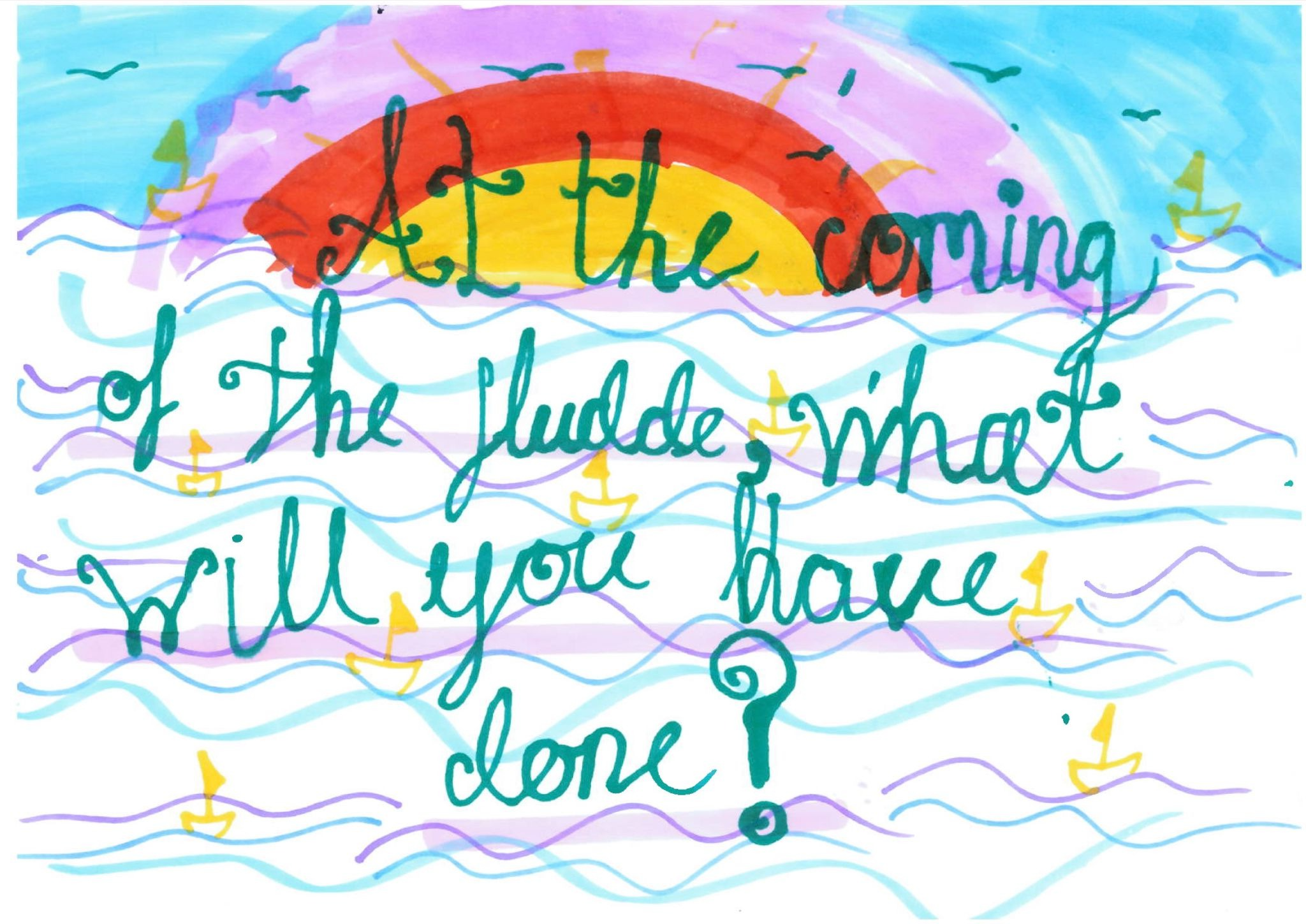
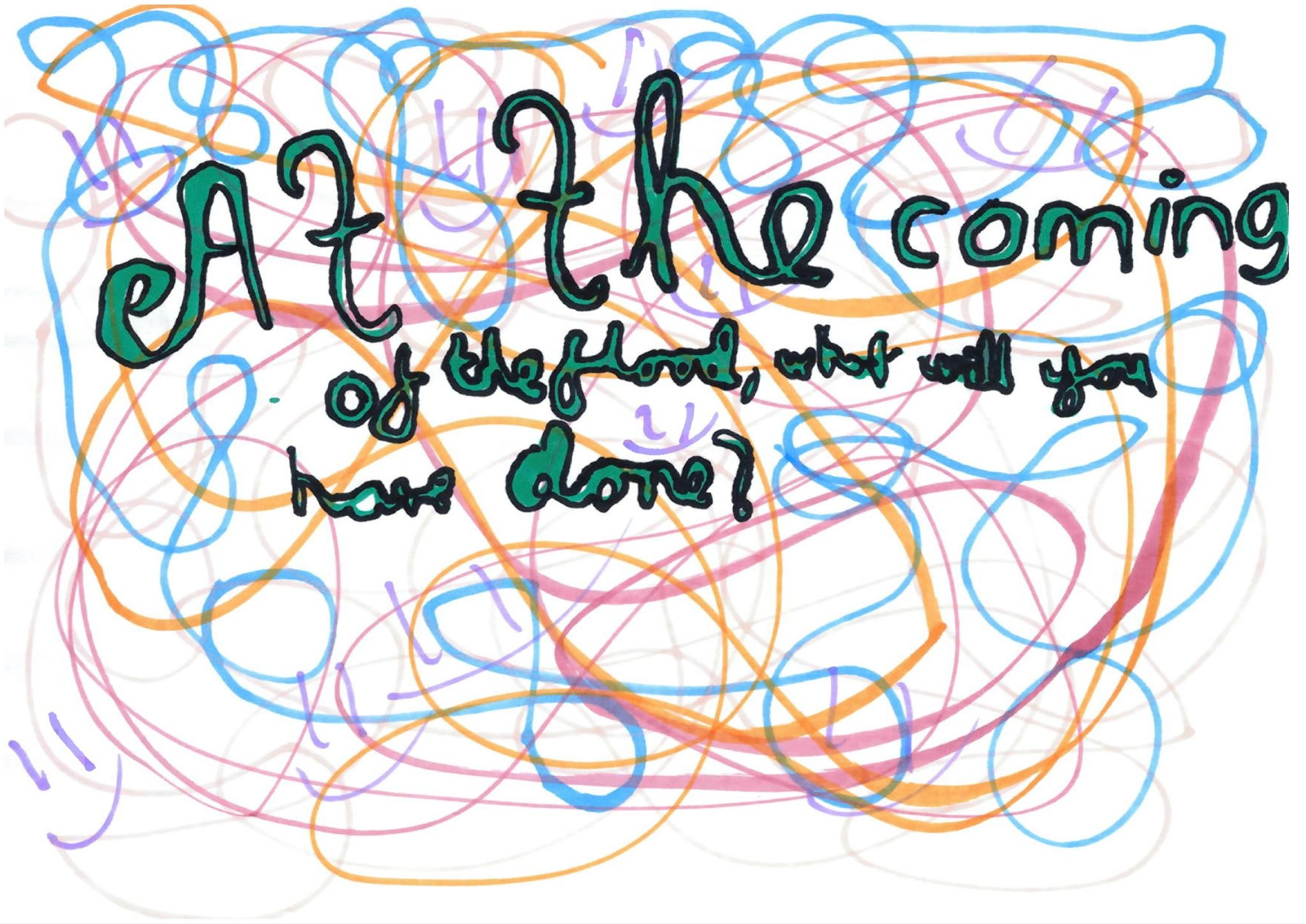
When warned of the flood, the two adults respond in opposite ways. The first thing Noye does is to gather his children to help: a game emerges in which the children each find an item to contribute to the building of their boat. Their creativity and imagination is their route to survival. But when Mrs Noye arrives, she’s dismissive, sceptical of their warnings about the coming flood. One parent dismisses and another encourages; one listens and one doesn’t. This is a story therefore of how seriously children are taken by adults, how we treat their imaginations and their play, and how much we heed their warnings about the future. In a world where the youngest are often the first to be dismissed, tonight they ask you how much you are prepared to listen.